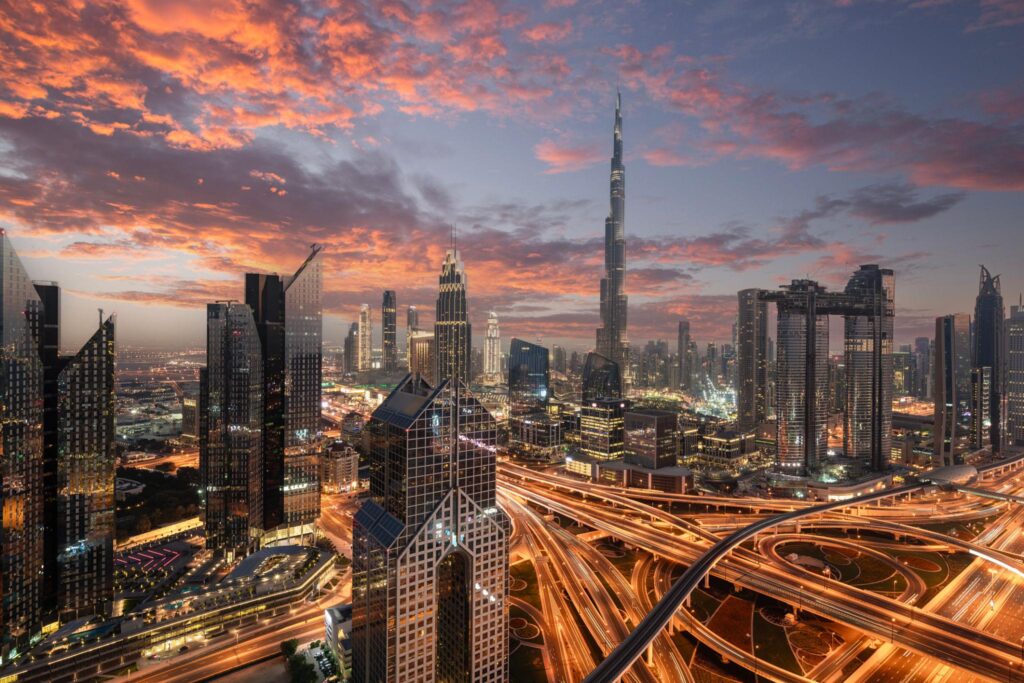
Today, Dubai is known for its impressive skyline, luxury lifestyle, and world-famous attractions. However, its journey to becoming one of the most visited destinations in the world is a remarkable story of vision, determination, and continuous development.
Early Settlements and the Birth of Dubai
Long before the construction of skyscrapers and artificial islands, the area that is now Dubai was inhabited by small communities living along the Arabian Gulf. The local population relied mainly on fishing, pearl diving, and trade. Thanks to its strategic location between Asia, Africa, and Europe, Dubai gradually became an important stop for merchants traveling across the region.
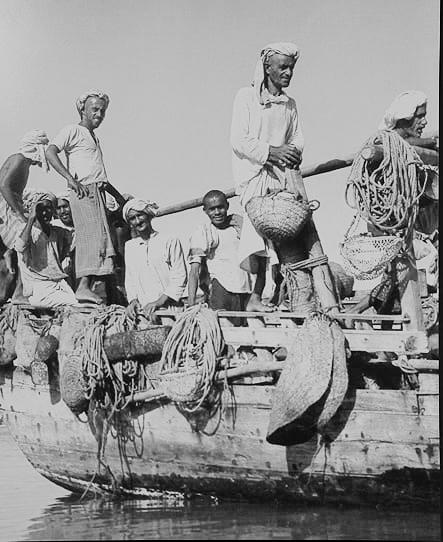
In 1833, members of the Bani Yas tribe, led by the Al Maktoum family, settled near Dubai Creek. This event is widely considered the foundation of modern Dubai. The creek provided a natural harbor that supported trade and attracted merchants from neighboring regions.
The Pearl Trade Era
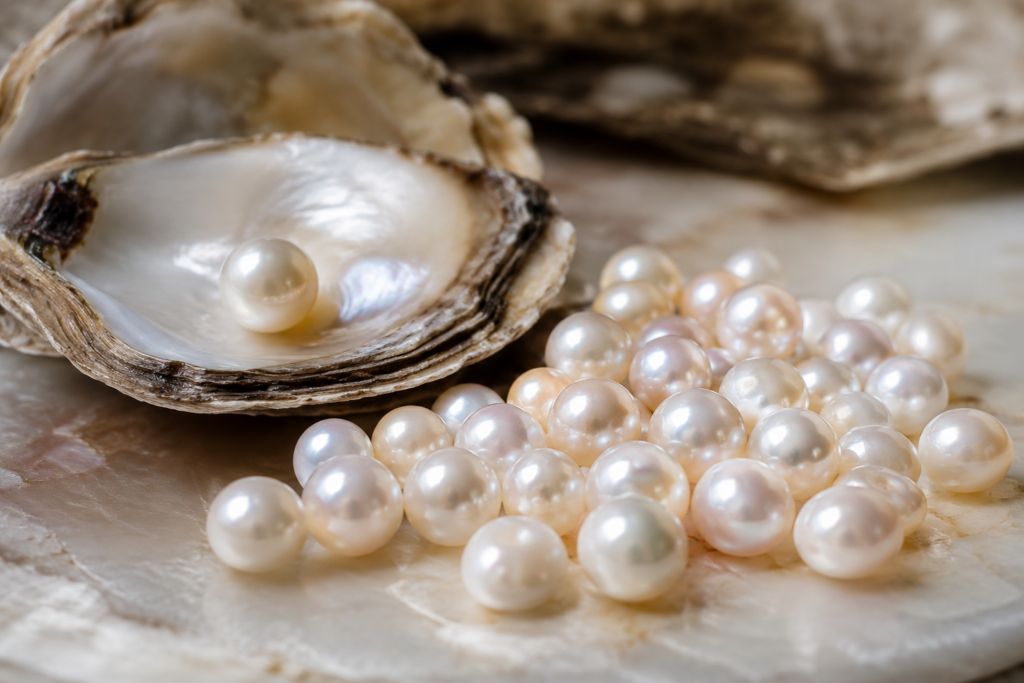
During the late 19th and early 20th centuries, the pearl industry became the backbone of Dubai’s economy. Thousands of residents worked as divers, traders, and craftsmen connected to the pearl trade. Dubai gained a reputation as one of the Gulf’s most important commercial centers.
However, the industry faced a major decline in the 1930s due to the global economic depression and the introduction of cultured pearls from Japan. This period brought significant economic challenges to the region.
The Discovery of Oil
A turning point came in 1966 when oil was discovered in Dubai. Although Dubai’s oil reserves were relatively modest compared to some neighboring emirates, the revenue generated provided the resources needed to modernize infrastructure and invest in future development.
Under the leadership of Sheikh Rashid bin Saeed Al Maktoum, roads, ports, schools, and hospitals were built, creating the foundation for long-term growth. His vision extended beyond oil, focusing on trade, transportation, and economic diversification
Building a Global Business Hub
In the 1970s and 1980s, Dubai continued expanding its economy. The development of Port Rashid and Jebel Ali Port strengthened its position as a major international trade center. The creation of free trade zones attracted companies from around the world and encouraged foreign investment.
As global business connections increased, Dubai became a gateway between East and West, serving as a strategic hub for commerce and logistics.
The Rise of Tourism and Innovation
The 1990s and early 2000s marked the beginning of Dubai’s transformation into a global tourism destination. Landmark projects such as the Burj Al Arab, Palm Jumeirah, and later the Burj Khalifa attracted international attention.
At the same time, Dubai invested heavily in transportation, hospitality, entertainment, and real estate. Major events, shopping festivals, and cultural initiatives helped establish the city as a year-round destination for visitors from around the world
Dubai Today
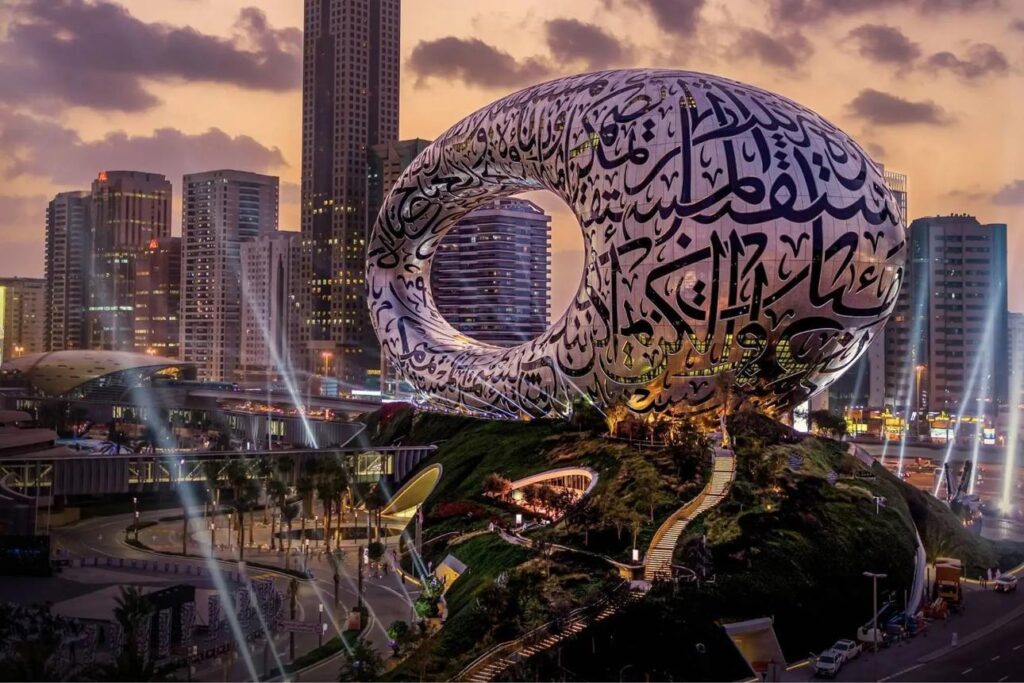
Today, Dubai is home to millions of residents representing more than 200 nationalities. It combines modern architecture, innovative technology, luxury experiences, and deep-rooted traditions. Visitors can explore historic districts along Dubai Creek, experience desert adventures, or admire some of the world’s most iconic landmarks.
Dubai’s evolution is a testament to visionary leadership and strategic planning. From a small settlement built around fishing and trade to a globally recognized city, its story continues to inspire people across the world.
Looking to the Future
Dubai continues to invest in sustainability, smart city initiatives, renewable energy, and technological innovation. As it moves forward, the city remains committed to balancing its rich heritage with ambitious plans for the future, ensuring that its remarkable journey is far from over.
Deja una respuesta