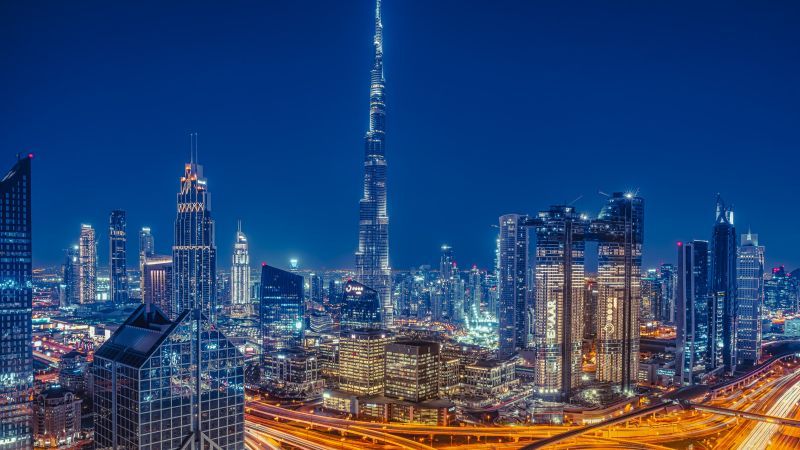
When people think of Dubai, the first images that often come to mind are towering skyscrapers, luxury cars, extravagant shopping malls, and futuristic architecture. While these elements certainly play a role in Dubai’s identity, they represent only a small part of what makes this city one of the most fascinating destinations in the world.
From a Small Settlement to a Global City
Less than two centuries ago, Dubai was a small coastal settlement located along the shores of the Arabian Gulf. The local population relied primarily on fishing, pearl diving, and trade. Life was simple, and the economy depended heavily on the sea.
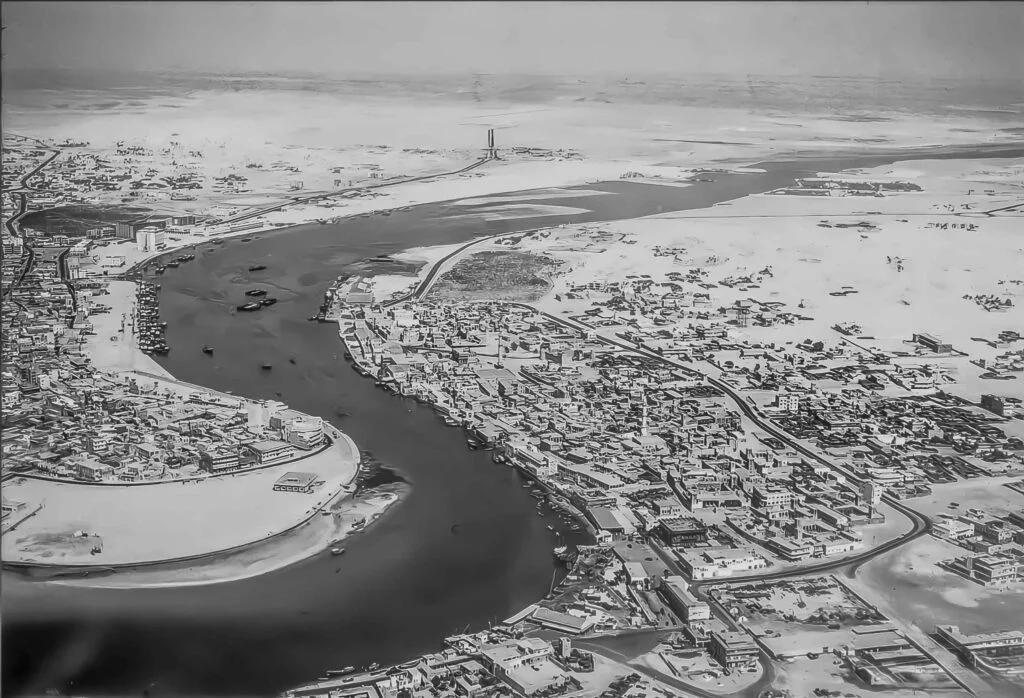
The turning point came in the nineteenth century when Dubai Creek became an important trading route connecting merchants from Persia, India, East Africa, and the Arabian Peninsula. This strategic location allowed the city to grow steadily as a commercial hub.
The discovery of oil in the 1960s accelerated development, but what truly distinguishes Dubai is how it invested its wealth. Rather than relying solely on oil revenues, the city focused on diversification, infrastructure, tourism, trade, aviation, and technology.
A City Built on Diversity
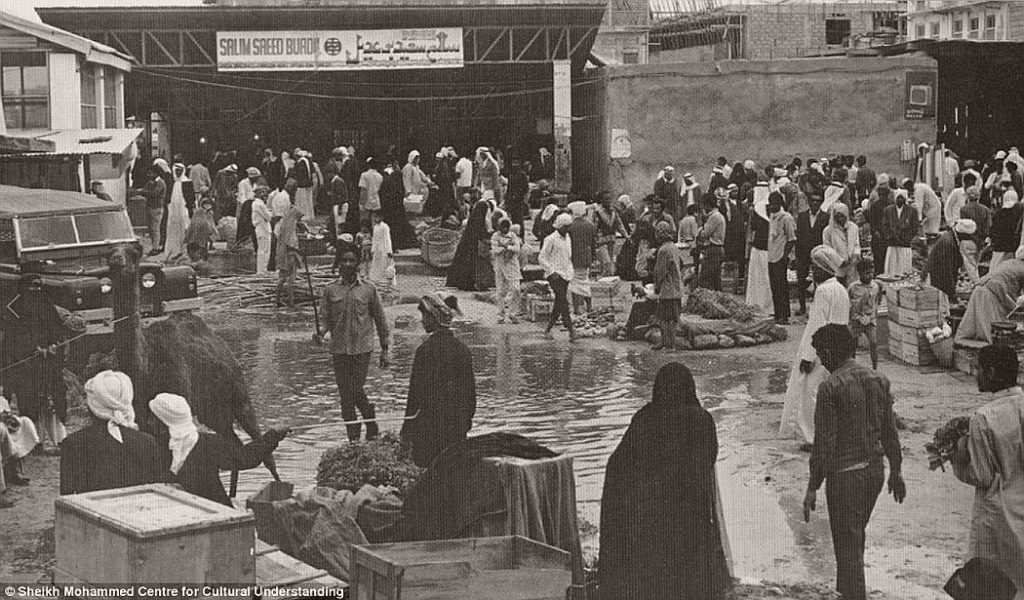
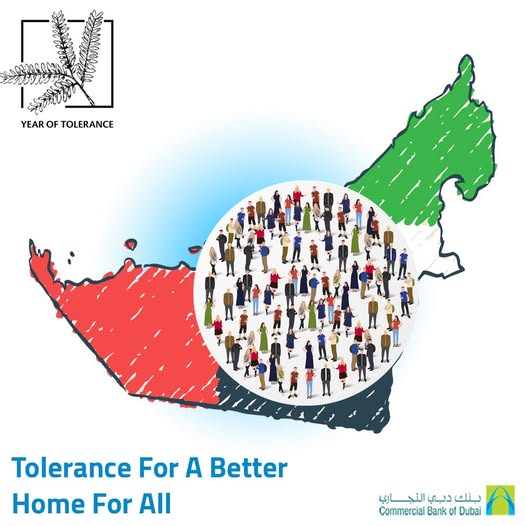
One of Dubai’s most remarkable features is its multicultural population. More than 200 nationalities live and work in the emirate, creating a unique blend of cultures, traditions, languages, and cuisines.
Walking through the city, visitors can enjoy Emirati hospitality while experiencing influences from Asia, Europe, Africa, and the Americas. This diversity is reflected in everything from restaurants and festivals to business and daily life.
Dubai has become a place where people from different backgrounds coexist and contribute to the city’s ongoing development.
The Natural Side of Dubai
Many people mistakenly believe that Dubai consists entirely of desert landscapes. While the desert is indeed an important part of the region, Dubai offers a surprising variety of natural environments.
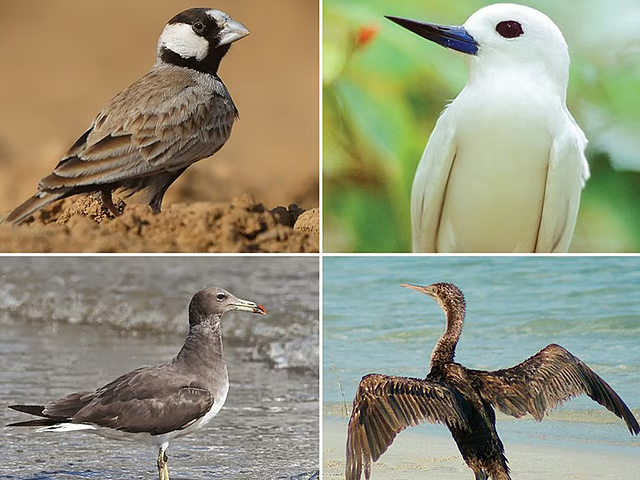
Visitors can explore beautiful beaches stretching along the Arabian Gulf, nature reserves that protect local wildlife, and wetlands that attract migratory birds.
One of the most impressive locations is the Ras Al Khor Wildlife Sanctuary, where thousands of flamingos gather during certain times of the year. This protected area demonstrates Dubai’s commitment to preserving biodiversity despite rapid urban growth.
The nearby Hatta region also offers mountains, hiking trails, lakes, and outdoor adventures that contrast sharply with the modern cityscape.
Old Dubai: Where History Lives
Although Dubai is famous for its innovation, its historical districts provide valuable insight into the city’s origins.
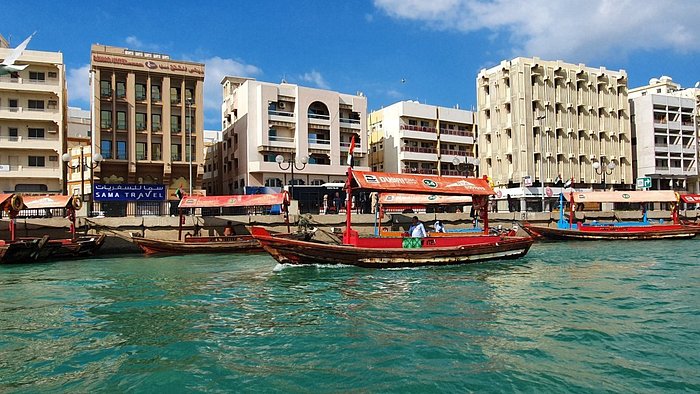
The Al Fahidi Historical District features traditional architecture, narrow alleyways, museums, and cultural centers that preserve the heritage of earlier generations. Nearby, visitors can cross Dubai Creek aboard a traditional abra boat, one of the city’s oldest forms of transportation.
The Gold Souk and Spice Souk continue to attract visitors interested in experiencing the atmosphere of traditional Arabian marketplaces.
These areas remind travelers that Dubai’s story began long before the construction of the Burj Khalifa.
Of course, if you’d also like to experience Dubai’s iconic skyline and explore the city’s modern side, you can book our Luxury Night Tour Dubai. It’s the perfect way to admire the dazzling skyscrapers, vibrant city lights, and world-famous landmarks that make Dubai one of the most spectacular destinations in the world.
Deja una respuesta